The Fourth of July From a Dog’s Point of View
by Wendi Piscia | June 30th, 2026 | 4:19 pm
If you have ever watched your dog during a loud noise, you can see the shift right away. Ears go back. Body lowers. Eyes widen. Something that feels small to us can feel overwhelming to them.
Now imagine the Fourth of July.
Let’s tell the story from a dog’s point of view.
It starts as a normal day. Maybe there is a walk in the morning. The house smells like food. People seem relaxed. Nothing feels out of place.
As the day goes on, things begin to change. Doors open more often. Visitors come and go. The routine is different. There is more noise, more movement, more excitement.
By evening, the air itself feels different.
Then it begins.
A loud crack. Then another. Then a series of sharp, unpredictable sounds that seem to come from every direction. Even in communities like Napa, where organized celebrations have shifted toward drone shows instead of traditional fireworks, the reality is that fireworks still happen. They happen in neighborhoods, in surrounding areas, and often without warning.
For a dog, there is no way to understand that these sounds are temporary or meant to celebrate. There is only the instinct to react.
Some dogs freeze. Others pace. Some try to hide in small spaces. And some will do whatever they can to get away from the noise.
That is when the risk begins.
Every year around the Fourth of July, animal shelters across the country see a sharp increase in lost pets. In fact, July 5 is often one of the busiest days of the year for animal shelters. The Napa County Animal Shelter experiences this as well. Dogs climb fences, slip out open doors, or pull away from leashes in fear. Cats dart out of houses and do not return right away.
Families who started the day feeling connected to their pets can end the night searching for them.
The good news is that this is one of the most preventable pet-safety challenges of the year.
A few simple steps can make all the difference.
Prepare Early
Do not wait until the evening of the Fourth to think about your pet’s safety. By then, the environment is already changing.
Make sure your pet’s identification is current. A collar with a tag that includes your phone number is a simple but powerful tool. Microchipping adds another layer of protection. If your pet is already microchipped, take a moment to confirm that your contact information is up to date.
Keep Pets Indoors
Even pets that spend time outside regularly should be brought indoors before the evening begins.
Fear can cause pets to dig, jump, or push through barriers they would normally ignore. Close doors and windows early and avoid taking pets outside once fireworks are underway.
Create a Safe Space
Think about where your pet goes when they are nervous. It may be a crate, a bedroom, or a quiet corner of the house.
Set up that space ahead of time with familiar bedding, water, and favorite toys. A fan, television, or soft music can help reduce the impact of outside noise.
Stay Close When You Can
If your pet is especially sensitive to noise, your presence matters. Staying home with them, or making sure someone they trust is there, can help reduce anxiety.
If you plan to attend a celebration, consider what your pet will experience while you are away. Planning ahead may mean adjusting your schedule for their safety.
Exercise Earlier in the Day
A long walk or play session earlier in the day can help your dog burn energy and settle more comfortably in the evening.
Talk to Your Veterinarian
If your pet has struggled with fireworks in the past, talk to your veterinarian before the holiday arrives.
Behavioral strategies, calming tools, and medications may help reduce anxiety, but planning ahead is important.
Be Mindful with Guests
Holiday gatherings create more opportunities for accidental escapes. Remind guests to keep doors and gates closed, and consider giving anxious pets a quiet room away from the activity.
After the Celebration
Even after the main events have ended, occasional fireworks may continue in the distance. Keep pets indoors overnight and check your yard the next day for any hazards before allowing them back outside.
If Your Pet Goes Missing
If your pet does go missing, act quickly. Contact the Napa County Animal Shelter, check listings frequently, and visit in person if possible. Many successful reunions happen because owners take immediate action. Use neighborhood groups and lost pet networks to spread the word quickly.
The Fourth of July is meant to be a celebration. Napa’s move toward drone shows is one example of how communities can reduce the impact on animals while still gathering together. Even so, fireworks remain a reality throughout much of our region.
Preparing pets before the celebrations begin remains the best way to keep them safe.
Back to our dog.
With the right preparation, the story can end differently.
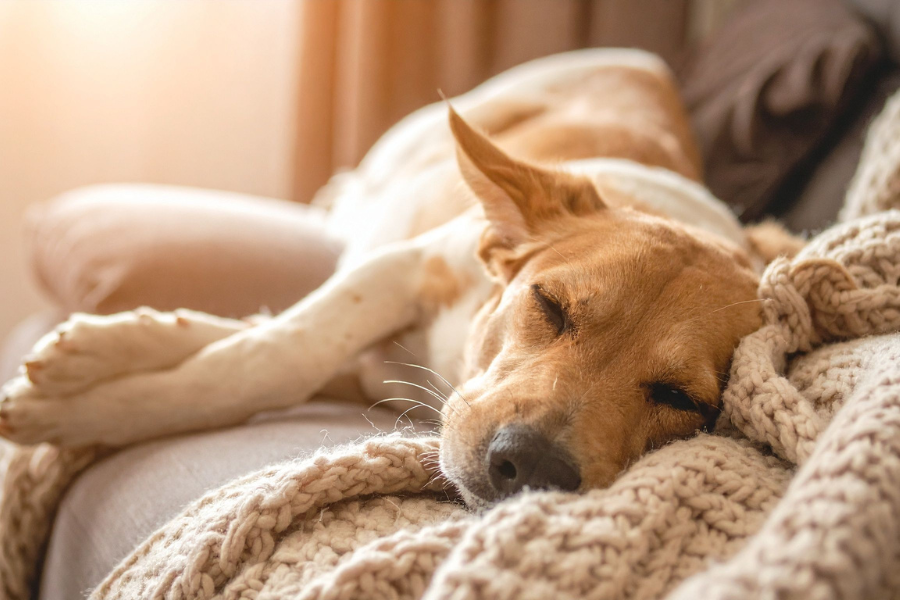
The sounds begin, but this time the dog is already inside. The doors are closed. A familiar space is waiting. There is background noise to soften the sharp edges of the evening. Most importantly, there is a sense of safety.
The noise passes. The night settles.
And in the morning, everything is still where it should be.
That is the outcome we want for every pet in our community.