
Summer Safety Starts with Prevention: Protecting Pets from Hidden Seasonal Risks
by Wendi Piscia | June 9th, 2026 | 11:22 am
As Napa moves from spring into summer, life becomes more active. Trails fill with hikers. Dogs spend more time outdoors. Cats lounge in sunny yards and slip through open doors. It is a season many of us look forward to.
It is also a season when certain risks for pets quietly increase.
Fleas, ticks, foxtails, rattlesnakes, and heartworm are not always top of mind. Some are small and easy to overlook, while others are hidden in the environments pets explore every day. But each one has the potential to affect a pet’s comfort, health, and, in some cases, their safety.
The good news is that many of these risks are preventable. Understanding what to watch for and taking a few early steps can make a significant difference for pets across Napa County.
The Reality of Fleas and Ticks
Fleas and ticks become more active as temperatures rise. Even pets that spend limited time outdoors can be exposed. Fleas can hitch a ride indoors on clothing or other animals, while ticks are often picked up on trails or in grassy areas.
For pets, fleas are more than an annoyance. They can cause skin irritation, allergic reactions, and, in some cases, disease. Ticks carry their own risks, including illnesses that can affect both pets and people.
The signs are not always obvious. A dog that scratches more than usual or a cat that grooms constantly may be showing early signs of a problem.
Preventive medications remain the most reliable way to protect pets and are far easier—and far less costly—than treating an established infestation.
Foxtails: A Local Hazard
Foxtails are common throughout Northern California in late spring and summer. These dried grass awns may look harmless, but they can pose serious risks to pets.
Foxtails are uniquely shaped to burrow into fur and skin. Once attached, they can work into the ears, nose, eyes, paws, or beneath the skin. Left untreated, they can cause pain, infection, and more serious complications.
Dogs are most often affected because they spend more time exploring outdoors, but outdoor cats can also be at risk.
Checking pets after walks or outdoor time is one of the best ways to prevent problems. Pay close attention to paws, ears, and between the toes. Sneezing, head shaking, or persistent licking may all be signs that a foxtail is present.
Rattlesnakes: A Serious Summer Risk
As temperatures rise, rattlesnakes become more active across Napa County, especially on trails, rural properties, vineyards, and open spaces where dogs frequently explore.
This year, California has already seen an unusually high number of rattlesnake bites reported earlier in the season than normal.
Most snakes avoid people and pets when given the chance, but dogs are naturally curious and may approach too closely. A rattlesnake bite is a medical emergency and requires immediate veterinary care.
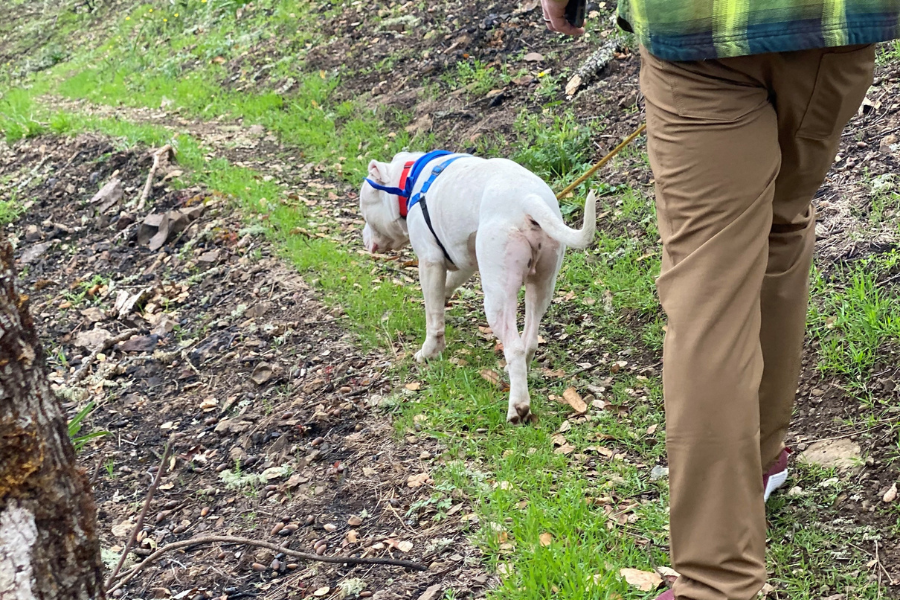
Keeping dogs on leash while hiking, avoiding tall grass, rocky outcroppings, and dense brush, and staying on clear trails can significantly reduce risk. Some pet owners also choose rattlesnake aversion training for dogs that spend a great deal of time outdoors.
Heartworm: A Risk You Cannot See
Heartworm disease is less visible but no less important. Spread through mosquito bites, it can affect both dogs and cats and may not show symptoms until the disease has progressed.
In dogs, heartworms live in the heart, lungs, and surrounding blood vessels. In cats, even a small number of worms can create serious respiratory problems. Consistent preventive medication remains the most effective protection.
Access Makes All the Difference
Preventive care can feel out of reach for some families due to cost, scheduling, or availability of veterinary services.
At Napa Humane, our preventive care clinic focuses on essential services like wellness exams, vaccines, and parasite prevention, including flea, tick, and heartworm protection. These services are designed to help families address problems before they become more serious.
A wellness exam also helps identify the right preventive plan for a pet’s lifestyle. A dog who hikes regularly may have different needs than a cat who stays close to home.
By making preventive services more accessible, we can help more pets stay healthy year round.
Small Steps That Add Up
Seasonal risks can feel overwhelming, but prevention does not have to be complicated.
-
- Keep pets on a consistent flea and tick prevention plan
- Use heartworm prevention year round
- Check pets after time outdoors, especially in grassy areas
- Keep dogs on leash while hiking or exploring trails
- Schedule regular wellness exams
These simple steps can help prevent avoidable problems and keep pets healthier throughout the summer months.
As we head into warmer weather, it is worth taking a moment to think about the small actions that protect pets from seasonal risks. Taken early and consistently, those steps can make the difference between a healthy summer and an avoidable emergency.
For more information about preventive care services, wellness exams, or parasite prevention, visit NapaHumane.org or call (707) 255-8118.