Keeping Families Together: The Animal Welfare Work Most People Never See
by Wendi Piscia | November 3rd, 2026 | 7:22 am
When people think about animal welfare, they often picture animal shelters, rescue organizations, and adoption events. They imagine homeless animals finding new families or lost pets being reunited with their owners. These are important parts of the work, and they deserve the attention they receive.
But some of the most meaningful animal welfare work happens before a pet is ever at risk of entering a shelter.
Every day, pet owners encounter challenges that can make caring for their animals more difficult. A dog develops a medical condition that requires treatment. A cat starts exhibiting behavior problems that leave its family feeling frustrated and unsure where to turn. A pet owner may struggle to afford routine veterinary care or delay seeking help until a manageable issue becomes a much larger one.
These situations may not make headlines, but they are often the moments that determine whether a family can continue caring for a pet they love.
One of the biggest misconceptions in animal welfare is that pets are surrendered because people no longer want them. While that certainly happens, many owners who face this decision care deeply about their animals and spend weeks or even months trying to find solutions first. A medical concern may become more serious and expensive when treatment is delayed. A behavior issue that could improve with support may grow increasingly difficult to manage. In some cases, larger life circumstances such as financial hardship, illness, or housing changes can make these challenges even harder to navigate.
Love for a pet does not automatically solve every problem. Even the most dedicated owners can find themselves overwhelmed when faced with unexpected veterinary expenses or behavior concerns they do not know how to address. As the cost of living continues to rise, families are feeling the pressure across nearly every part of their budgets, from housing and groceries to transportation and health care. Veterinary care is not immune to these broader economic pressures, making it increasingly difficult for some households to afford the routine and preventive care their animals need.
That raises an important question: what if we could do more to help before a family reaches that breaking point?
At Napa Humane, much of our work is built around that idea. When people hear the phrase “animal welfare organization,” they often think about helping animals. We do that every day. But many of the services we provide are also designed to help people care for the animals they already have.
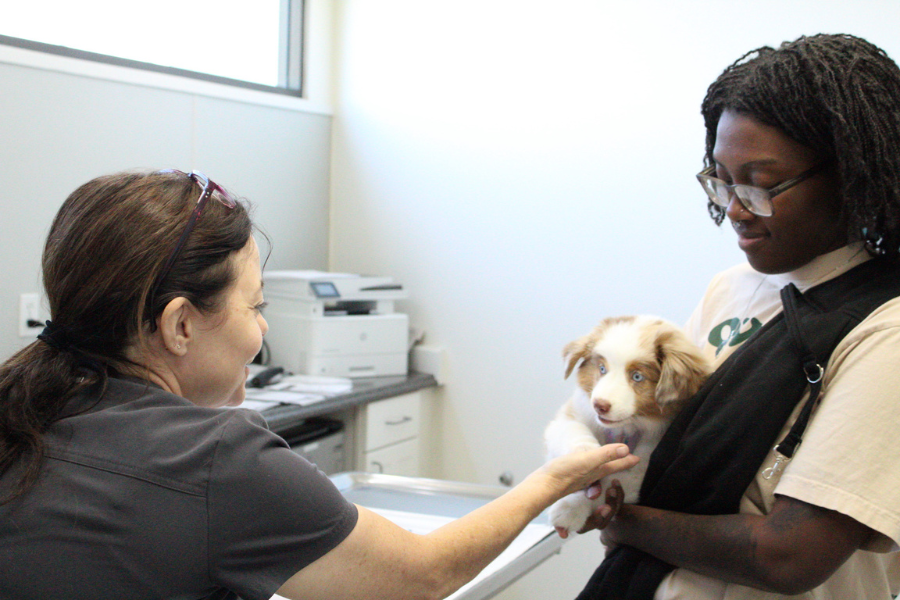
Sometimes, a timely intervention can make a meaningful difference. It may be an affordable spay or neuter surgery that prevents an unintended litter. It may be a wellness exam that identifies a medical concern before it becomes a more serious and costly problem. It may be behavior support that helps a family work through challenges with their dog. Or it may simply be connecting someone with resources, education, or guidance they did not know existed.
These interventions may not seem dramatic, but they can be life changing. Early intervention gives families more options and often leads to better outcomes for both people and pets.
This approach reflects something we talk about often at Napa Humane: prevention.
Most people associate prevention with vaccinations, wellness care, or spay and neuter services. Those are all important examples. But prevention can also mean helping pet owners address challenges before they become crises.
When people have access to affordable veterinary care, practical guidance, and reliable information, they are often better equipped to navigate difficult situations. Problems that might otherwise feel overwhelming become more manageable. Families gain support, confidence, and options.
This work benefits the broader community as well. Shelters across the country continue to face capacity challenges. When families can safely keep their pets, fewer animals enter the shelter system. That allows shelter resources to remain focused on animals who have been abandoned, are homeless, or need shelter protection.
Of course, prevention does not eliminate the need for shelters, rescue organizations, or adoption programs. Animals will always need homes, and shelters will continue to play a critical role in our communities. But helping families stay together whenever it is safe and appropriate is another important way to improve outcomes for animals.
Keeping pets with their families does not mean ignoring difficult circumstances or overlooking an animal’s needs. It means recognizing that animal welfare and human well-being are often connected. A family facing challenges may need access to veterinary care, practical support, or trusted information, not judgment. And an animal who is safe and loved often benefits most when the people who care for them receive the help they need to continue doing so.
Animal welfare is ultimately about protecting the well-being of animals and the bond they share with people. Sometimes that means finding a new home for a pet in need. Often, it means helping a family overcome a challenge so they can remain together.
That work may happen quietly, one veterinary appointment, one training conversation, or one connection to a helpful resource at a time. It may never generate an adoption photo or make headlines. But when we help a family solve a problem, access care, or keep a beloved pet safely at home, we achieve something worth celebrating: a better outcome for both the animal and the people who love them.