Spay and Neuter: Prevention That Protects Our Community
by Wendi Piscia | March 4th, 2026 | 1:42 pm
The Shelter Pattern We See Every Year
Walk into an animal shelter during kitten season and the pattern becomes clear. Kennels fill quickly. Litters arrive faster than they can be adopted. Staff work tirelessly to match families with pets, yet new animals continue to come through the doors.
When shelters remain full week after week, the issue is larger than adoption rates. It is a community challenge that begins long before an animal enters a kennel.
The most effective way to prevent overcrowding is spay and neuter. This routine surgical procedure prevents unplanned litters from entering the community in the first place. Fewer unplanned litters mean fewer animals competing for limited homes, fewer pets surrendered during times of hardship, and fewer shelters operating at or beyond capacity.
Prevention rarely captures headlines, but it is the foundation of a healthy animal welfare system.
A single unspayed female dog and her offspring can produce dozens of puppies over several years. Cats reproduce even more quickly. National shelter data consistently shows that intake numbers are closely tied to whether communities invest in accessible spay and neuter services.
Access to Care Is the Real Challenge
Yet access to these services is not always simple. Rising veterinary costs, transportation barriers, appointment availability, and language access can all limit a family’s ability to seek preventive care. At the same time, demand for veterinary services has grown significantly, while the number of veterinarians entering the field has not kept pace. Clinics across the country are balancing increased demand with limited capacity. The result is longer wait times and higher costs for essential services.
Most families love their pets deeply. When barriers prevent timely access to care, the outcome is not a lack of compassion. It is a lack of access.
Spay and neuter is also a public health strategy. Sterilized pets are less likely to roam, fight, or contribute to nuisance behaviors that strain neighbor relationships. The procedure reduces certain reproductive cancers and infections, contributing to longer and healthier lives. In other words, it protects both individual animals and the broader community.
Importantly, prevention is not about assigning blame. Many people are unaware of how quickly animals can reproduce or how difficult it can be to place puppies and kittens once they are born. Education helps, but education without access does not solve the problem.
Why Local Preventive Programs Matter
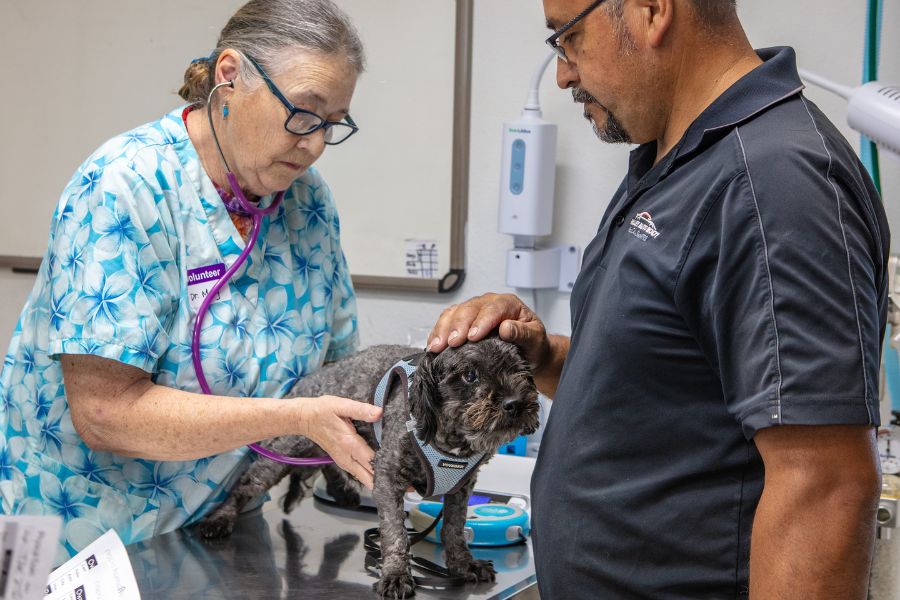
At Napa Humane, our low-cost spay and neuter clinic operates five days a week with one clear goal: prevent as many unplanned litters as possible. Each surgery represents more than a single pet. It represents future litters that will never enter the shelter system.
This work requires skilled veterinary professionals, careful planning, and sustained community investment. Fees paid by pet owners offset a portion of the cost, and the remainder is supported by donations, grants, and partnerships. Prevention is a shared responsibility. When the community supports accessible surgery, the entire animal welfare system benefits.
Prevention Is a Long-Term Investment
The impact extends beyond shelter numbers. When families can access affordable preventive care, pets are more likely to remain in their homes. Financial barriers are one of the leading contributors to pet surrender nationwide. By reducing the cost of essential services, communities reduce the likelihood that a temporary hardship becomes a permanent separation.
Spay and neuter also strengthens continuity of care. A pet that is connected to preventive services is more likely to receive vaccinations, microchipping, and wellness exams. These touchpoints create stability for families and healthier outcomes for animals.
Measured by What We Don’t See
It is easy to focus on visible crises. An overcrowded shelter or urgent rescue understandably draws attention. Prevention, by contrast, is measured not by what we see, but by what we do not see. Fewer litters. Fewer surrenders. Fewer animals waiting in kennels.
In Napa Valley, we understand the value of long-term planning. Vineyards are planted years before harvest. Infrastructure is maintained before it fails. Prevention is not reactive. It is deliberate.
The same principle applies to animal welfare. Each surgery performed today prevents future hardship. Each accessible appointment represents stability for a family and relief for a shelter.
Why Prevention Must Remain a Priority
Adoption will always be essential. Rescue will always be necessary. But prevention is what keeps systems manageable and humane over time.
As we look ahead to the coming year, we remain committed to providing spay and neuter services every day our clinic operates. When prevention is stable and accessible, the entire community benefits.
Prevention may be quiet work, but its impact echoes for generations.